
Where Wood Knows the Wind
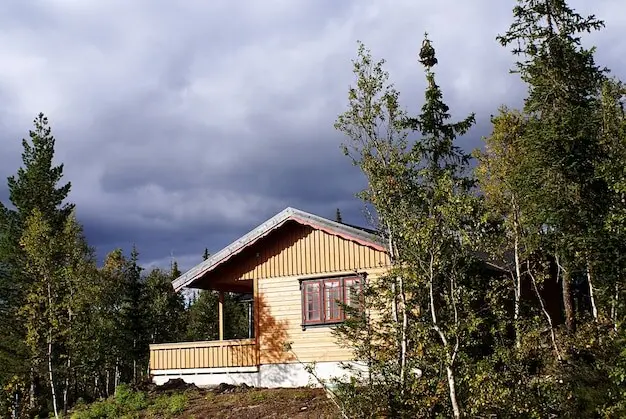
From Valley Workshops to Summit Chalets
Village joiners once cut mortise-and-tenon joints by lamplight, sledding frames uphill before snow softened. Shepherd huts taught lessons in compact storage, steep eaves, and cross-breezes. Those same principles, adapted with care, still guide how we plan corners, circulation, and cozy retreats in challenging weather.
Tools Passed Through Generations
A hand-forged drawknife, a wooden mallet polished by palms, and a square etched with initials become blueprints for continuity. Using them invites humility and accuracy, reminding makers that every cut participates in a lineage where strength, repairability, and restraint matter more than quick applause.
A Night Storm, A Steady Roof
During a February whiteout, an elderly carpenter checked each pegged joint by touch when lights failed. The roof held because dowels were seasoned properly, grain aligned, shoulders tight. After dawn, neighbors brought bread, and the lesson traveled farther than any blueprint or lecture.
Homes That Breathe Pine and Stone
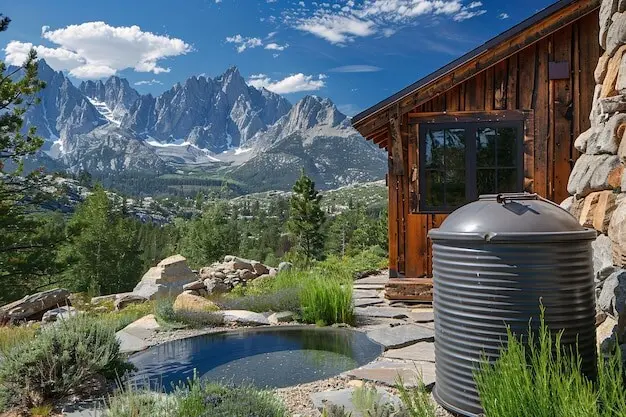
Textures of Warmth Indoors
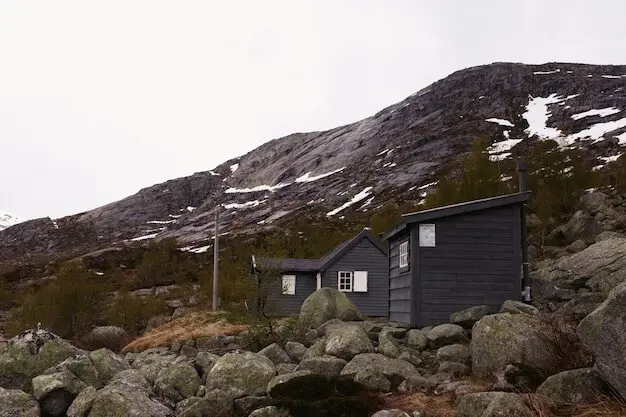
Handwoven Wool, Felt, and Heavy Linen
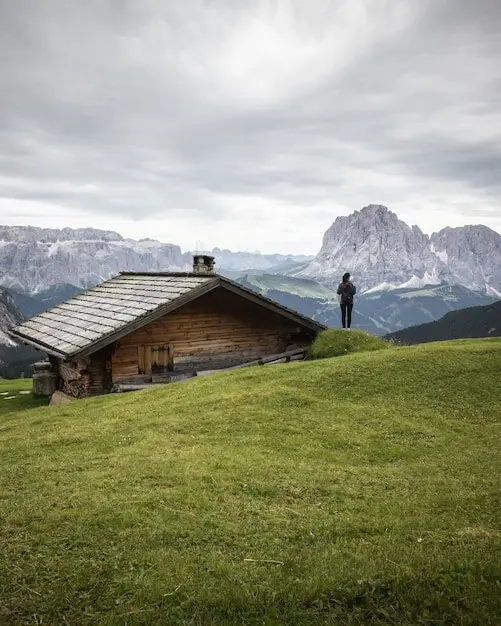
Carving Details that Invite Touch
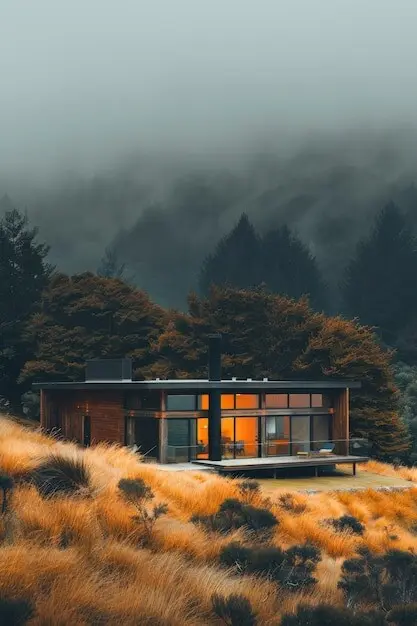
Lighting Like Hearthfire
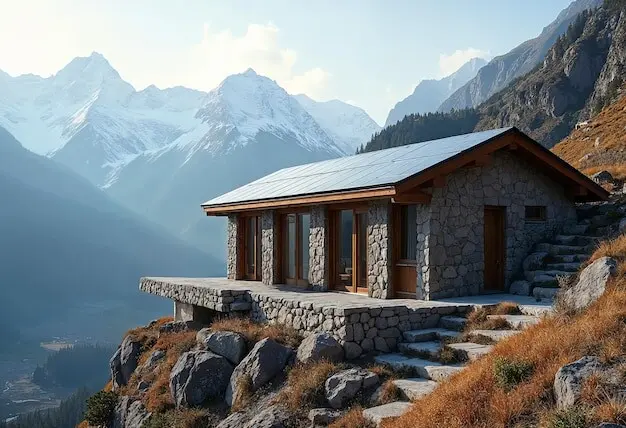
Winter: Broths, Cheese, Slow Heat
Simmer bones with juniper and bay until steam fogs panes, then ladle over barley and roasted celeriac. Fondue becomes conversation architecture, stretching simple ingredients. Low ovens soften tough cuts while conserving fuel, proving that patience, not gadgetry, delivers the deepest nourishment on cold nights.
Spring and Summer Foraging
When snowlines retreat, baskets gather ramps, sorrel, blueberries, and chanterelles. Blanch nettles for pesto; dry mushrooms on screens by the stove. Children learn species names and safe habits, weaving science with snack time, while grandparents recall patches that always forgive muddy boots and laughter.
Autumn Preserves and Neighborhood Tables
Pickles sparkle beside stews, jars line shelves like stained-glass windows, and cider ferments in crocks wrapped with blankets. Invite neighbors to taste, trade, and teach. These gatherings keep skills alive, reduce waste, and welcome newcomers into generous circles before the snow deepens again.
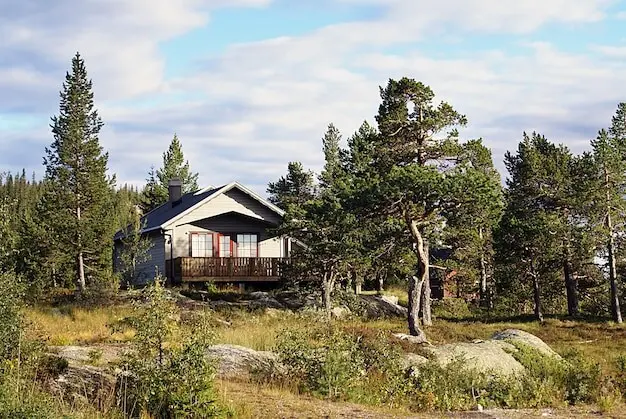
Ritual of the Dawn Walk

Crafted Gear for Honest Adventures
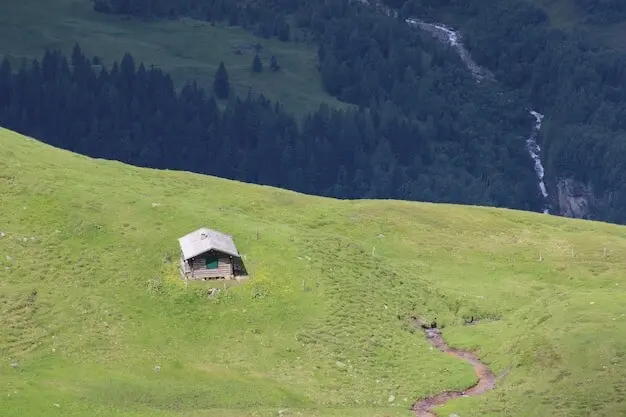
Stewardship at High Altitude
Start Small, Build Steady Comfort
All Rights Reserved.