
Stone, Larch, and Wool: Craft with the Alpine Heart
Finding Materials Where Mountains Breathe
Design Begins With the Grain, Fiber, and Vein
Stone’s Quiet Strength Indoors and Out
Larch That Outlasts Storms
Wool That Breathes With You
Hands, Tools, and the Mountain’s Patience

Dry-Stone Walls Reimagined
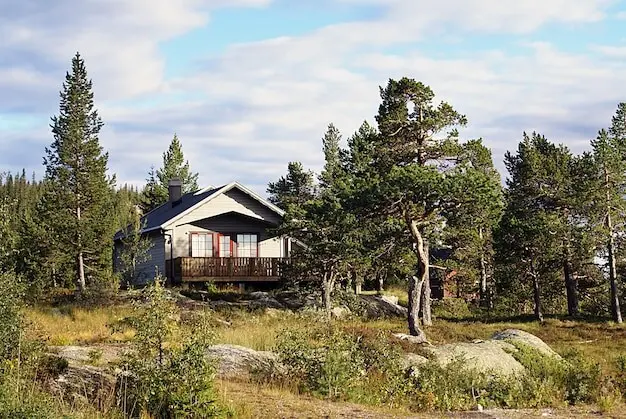
Joinery That Celebrates Larch

From Fleece to Fabric
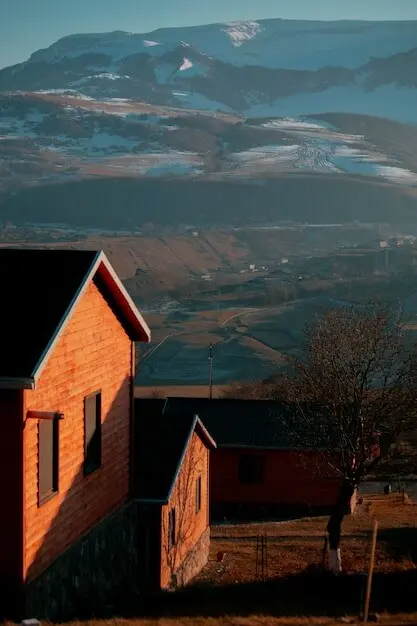
From Slope to Site: Moving, Seasoning, Storing
Safe Transport on Narrow Passes
Balance loads low, strap with redundant tie-downs, and walk the route before committing heavy turns. Monitor forecasts for ice, föhn winds, and late avalanches. When machines cannot pass, ask neighbors with mules or compact tractors—community solves geometry. Protect stone corners with jute and wood, sheath larch ends, and never stack wool under oil or exhaust. A slow convoy at dawn often beats a fast scramble at dusk. Arriving unhurried may be your project’s most advanced technology.
Seasoning Larch the Right Way
Stack on level bunks with stout stickers no closer than your fist from the edges, maintaining straight airflow lanes. Seal ends to reduce checking, weight the top course, and shade from blasting sun while keeping breezes free. Record dates, thicknesses, and target moisture content; check with a calibrated meter, not guesses. Rotate positions quarterly to even drying. Aim for service-level equilibrium before milling tongue-and-groove or joinery. Wood remembers its first season; treat it kindly so it works joyfully under roof and sky.
Caring for Raw and Processed Wool
Shake, skirt, and label fleeces immediately, then store in breathable bags away from direct sunlight and kitchen aromas that attract pests. Keep humidity steady and floors clean, adding cedar and regular inspections rather than heavy chemicals. For finished goods, rotate use, brush gently, and sun briefly to refresh. If moths appear, isolate, freeze, and mend, turning crisis into a care ritual. Good storage protects softness, color, and scent, preserving the mountain air that rode home inside every fiber.
A Hearth That Remembers Winter

Facades That Weather With Dignity

Textiles That Carry the Meadow
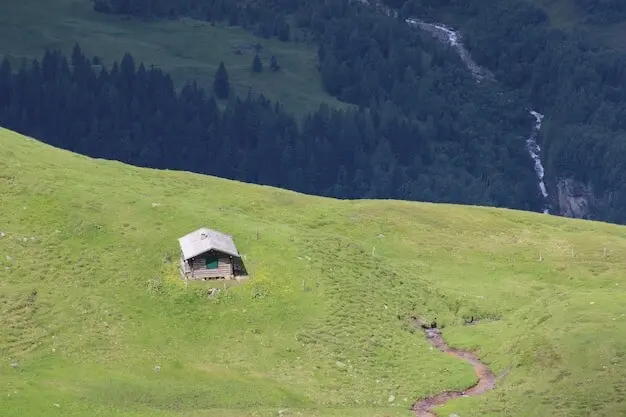
Keeping Materials Alive for Generations
Stone Maintenance Without Harsh Chemicals
Sweep before washing, then clean with pH-neutral soaps and soft brushes that keep pores open. Use poultices for stains instead of aggressive acids that scar surfaces or trap salts. In freeze country, avoid de-icers that force brine into microcracks; choose sand for grip and patience for thaw. Repoint with lime mortars compatible in strength and breathability, never harder than the stone. Keep vegetation trimmed back to encourage drying. A quiet maintenance routine protects centuries of service without fanfare or plastic shine.
Timber Care That Respects Weather
Design drips, back-ventilation, and sacrificial layers before reaching for finishes. When finishing, favor penetrating oils with UV inhibitors, applied thinly and renewed before failure, not after. Inspect annually for end-grain exposure, moss colonization, and fastener corrosion; small fixes prevent drama. Brushboards and gentle washing beat pressure blasting every time. Where char is appropriate, rehearse repairs on offcuts and keep edges crisp. Larch rewards steady attention by standing straighter through storms, shrugging off sleet, and silvering into elegance your grandchildren will recognize.

All Rights Reserved.