
Warmth Above the Tree Line: Designing Gentle, Resilient Alpine Homes
Step into a practical, inspiring exploration of low-impact design for high-altitude homes, focusing on passive heating strategies and dependable snow-load solutions. We’ll celebrate sunlight, read wind, and honor fragile mountain soils, shaping comfortable spaces that sip energy, welcome winter, and tread lightly. Expect actionable insights, measured details, and field wisdom that help you build beautifully, stay safe in deep snow, and harness nature’s strengths with humility and care.
Reading Mountains for Comfort and Safety
At elevation, comfort begins with observation. Cold air drains into bowls, winds accelerate over saddles, and winter sun skims low, carving stark contrasts between icy shade and golden warmth. By mapping drifts, freeze-thaw patterns, and avalanche setbacks across seasons, you locate entries, windows, and mechanical intakes where weather is kindest. Smart placement reduces excavation, shortens utility runs, and nurtures fragile plants, guiding a home that feels settled, sturdy, and gentle on its slope.
Shaping Sunlight and Mass for Effortless Warmth
South Glass with Smart Shading
Choose high-solar-gain triple glazing on the south to harvest winter energy, paired with reliable exterior shading that drops when summer peaks hit. On east and west, prioritize low-gain glass and narrow openings, trimming morning glare and afternoon spikes. Use overhangs tuned by sun-angle modeling, and add adjustable, storm-tolerant blinds that shrug off rime. Interior curtains with side tracks seal edges at night, preserving warmth while still inviting mountain dawns when you choose.
Thermal Mass That Works Year-Round
Concrete slabs, interior stone, adobe, dense timber, water tanks, or discreet phase-change panels store daytime heat and smooth the evening dip. Place mass where rays actually land, avoiding shaded corners that never charge. Thermally isolate mass from the ground with robust insulation to prevent losses, and control surface finishes so solar absorption outpaces glare. In summer, purge at night and shade by day, turning the same mass into a calm reservoir that blunts heat waves.
Night Insulation and Heat Retention
After sunset, alpine temperatures can tumble. Deploy insulated blinds, exterior shutters, or interior panels that cut radiative losses and stop edge drafts. Ensure airtight casings, compressible gaskets, and meticulous reveals eliminate sneaky leaks, while vestibules separate living zones from entry gusts. Use internal heat gains wisely—cooking, occupants, and devices—to top up warmth without overheating. A steady nighttime envelope preserves daytime solar harvests, reducing reliance on backup heaters when stars sharpen above the ridge.
A Quiet, Tough Envelope at Elevation
Superinsulation and airtightness transform fragile kilowatts into long-lasting comfort. Continuous exterior insulation erases thermal bridges, while a verified air barrier tames wind-driven infiltration and the fierce stack effect of tall spaces in deep cold. Inside, a service cavity protects the membrane, and balanced ventilation returns heat—and sometimes moisture—without icicles forming in ducts. Paired with triple glazing and careful flashing, the envelope grows silent against storms, conserving energy, guarding structure, and nurturing restful indoor calm.
Roofs That Carry Snow and Smile at Storms
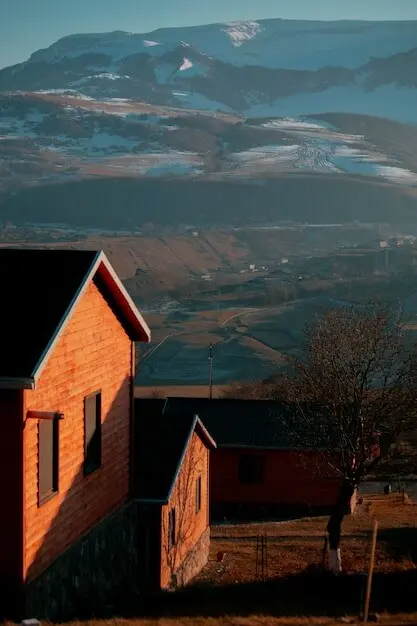
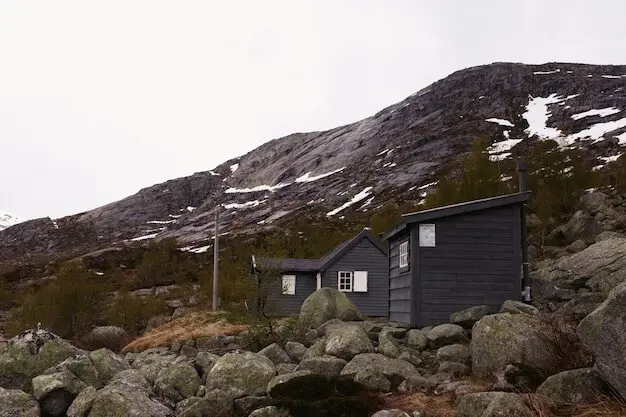
In snow country, the roof is a working landscape. Keep geometry simple—shed or gable—so loads flow cleanly to walls and foundations. Decide between snow-shedding and snow-retaining strategies by mapping entries, paths, and neighbors below. Engineer for drift at ridges, parapets, and valleys you wisely minimize. Choose durable membranes, metal panels, or shingles rated for freeze-thaw, and add eave protection. With correct pitch, robust connections, and thoughtful guards, winter blankets become insulation, not a hazard.
Minimal-Disturbance Foundations
Select foundations that follow the land rather than force it. Helical piers, piers on rock outcrops, or frost-protected shallow slabs reduce blasting and heavy cuts, easing erosion risks. Wrap edges in continuous insulation to avoid heat loss into frozen ground, and guide meltwater with perimeter drains and daylighted outlets. Stage equipment mindfully to spare tree root zones, and phase work during dry windows to protect soils. Stability grows from restraint, not brute excavation.
Low-Carbon Materials and Local Craft
Favor cellulose or wood-fiber insulation for carbon storage and vapor openness, pair mass timber with responsibly harvested local lumber, and reserve concrete for where it truly performs. Supplement with fly ash or slag where codes allow, and consider lime-based plasters that age gracefully. Durable metal roofing and recycled steel serve where fire or drift demands, while interior finishes celebrate regional textures. Partner with nearby mills and trades, shortening supply lines and elevating community skill alongside your walls.
Construction Sequencing and Winter Access
Mountain sites punish poor timing. Prefabricate panels off-site to shorten weather exposure, schedule deliveries during stable road windows, and protect stored materials from drifting snow and ultraviolet glare. Build roofs early for shelter, then set mechanicals in a dry, safe shell. Limit idling machinery, mark wildlife corridors, and manage runoff to keep creeks clear. When storms surge, pause rather than push, preserving crews and landscape alike. A considerate sequence saves money, energy, and ecological goodwill.
Living Well Off the Beaten Path
Comfort extends beyond heat. Right-sized systems, clean air, reliable water, and clear routines create joy at elevation. Prepare for outages with quiet resilience—passive warmth first, modest renewables next, and simple backups sparingly used. Track performance, listen to spaces, and adapt. Share experiences with neighbors tackling similar slopes. We invite your questions, stories, and field photos—subscribe for updates, add your voice in comments, and help refine strategies that keep alpine homes cozy, frugal, and beautifully alive.
All Rights Reserved.