Stone, Larch, and Wool: Craft with the Alpine Heart

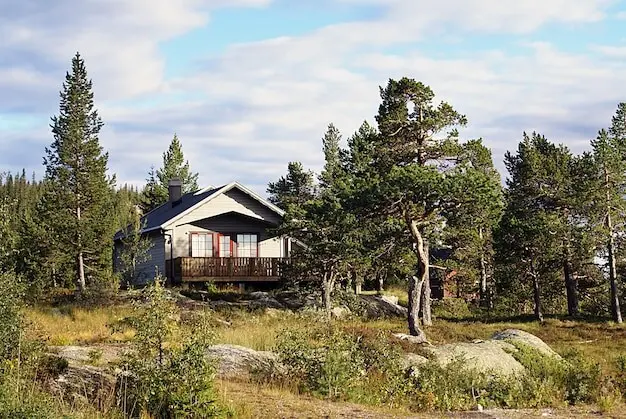
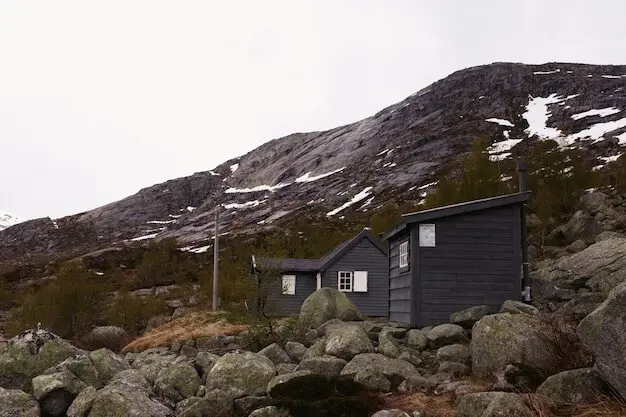
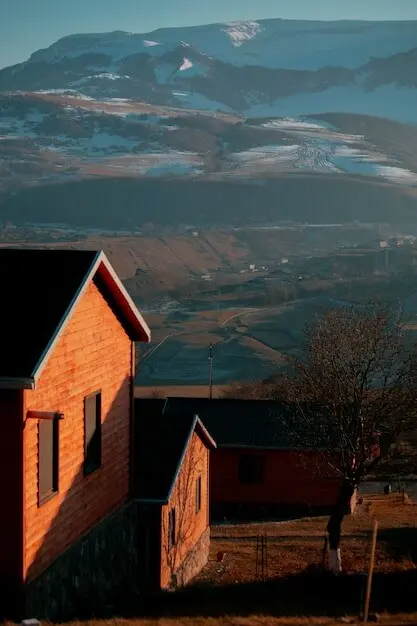
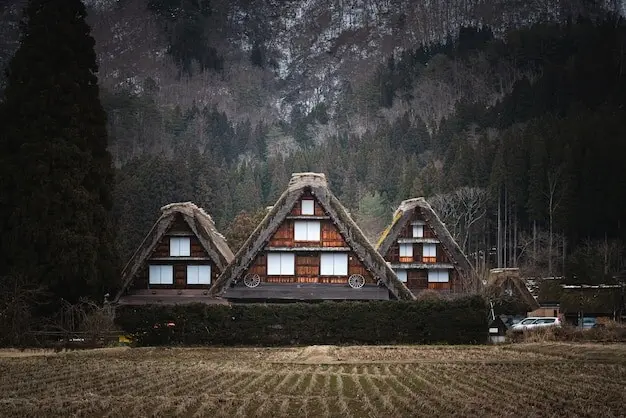
Step into the highland air and feel how making begins at the source, where rock ribs the ridgelines, larch roots hold the slopes, and flocks ripple like clouds. We will explore sourcing and using local Alpine stone, larch, and wool with respect, practical skill, and honest beauty. Expect field-tested guidance, stories from mountain craftspeople, and ideas you can adapt at any scale. Share your questions, add your experiences, and subscribe to keep traveling these winding paths with us.

Finding Materials Where Mountains Breathe

Look for stable outcrops and old, legal pits rather than tearing into living slopes. Study geology maps and notice differences between granite, gneiss, and limestone, since freeze–thaw cycles punish porous or flaky stone. Favor weathered, fractured pieces above ground over prying from bedrock, and always confirm local regulations. Ask elders about past walls and paths: their memory reveals durable seams. Carry fewer, better stones and protect lichen-coated boulders that shelter insects and moss. Harvesting less today means building more wisely tomorrow.
Choose winter felling when sap retreats, reducing stain and improving stability. Work with foresters to mark habitat trees, protect young growth, and rig safe extraction routes on steep ground. Use lightweight mats to prevent soil compaction and align skids to existing tracks. Select straight, slow-grown trunks with tight rings and modest taper for beams or cladding. Keep offcuts clean for future shingles or pegs. A seasoned ranger once said, count the rings, then promise the hillside another hundred years; that pledge shapes every cut you make.
Meet flocks at shearing time, when villages gather with songs, soup, and sharp blades. Pay fairly by micron and staple length, not just by weight, and record breed and pasture notes for traceable warmth. Lanolin-rich fleeces resist weather yet clean up beautifully with gentle scouring. Partner with small mills that know local fibers by smell and sound. Keep provenance labels on every bag, celebrate transhumance routes, and listen for stories woven into each tuft. You are not just buying wool; you are joining a living calendar.

Design Begins With the Grain, Fiber, and Vein

Stone’s Quiet Strength Indoors and Out

For steps, hearths, and benches, select dense pieces with low water absorption to resist spalling. Honed or bush-hammered textures add grip to snowy thresholds, while edges eased by hand invite touch. Remember that stone likes to be thick where it spans and ventilated where it stays cold. Consider lighter shades to reflect sun at high altitude, or darker tones for deep, steady warmth. Lay with thoughtful joints, honest drainage, and lime-rich bedding that breathes. When stone is allowed to rest well, it lasts effortlessly.

Larch That Outlasts Storms

European larch, naturally resinous, thrives as cladding, sills, and structural members where wind and wet conspire. Detail for movement with open rainscreens, durable battens, and stainless fasteners. Expect and welcome a silver patina; design proportions that look dignified in gray as well as gold. Use vertical grain for stability, and keep end grain protected with generous drips. For joinery, consider drawbored tenons and pegged laps that tighten over time. Let sunlight, not stain, tell the story of seasons, repairs, and care.

Wool That Breathes With You

Wool buffers moisture, quietly absorbing and releasing vapor without feeling clammy, making rooms calmer through storms and sudden temperature swings. In panels and rugs, it tames echoes and footsteps, turning hard Alpine surfaces into soft, listening spaces. Naturally flame resistant and warm when damp, it thrives where people rest and gather. Choose appropriate micron ranges for wear or loft, and finish with gentle soaps that preserve fibers. Protect from moths with clean storage, airflow, and timely use. A blanket well loved is insulation with memories.

Hands, Tools, and the Mountain’s Patience

Techniques carry time inside them. Old methods—dry-stone, scribe-fit joinery, hand-loomed weaves—pair beautifully with precise modern tools when each respects the other. A mason’s string line guides lasers; a drawknife follows saw cuts; a spindle hums beside an electric motor. Skills grow in circles: mentors, apprentices, neighbors, and workshops. Share the pace of the work, repeat the motions until they sing, and keep safety habits sacred. What the Alps demand in steadiness, they return in clarity, strength, and forgiving beauty.

Dry-Stone Walls Reimagined

Build with batter for stability, hearting stones for inner cohesion, and through-stones that stitch faces into one body. Carve only where necessary; prefer found fits to forced joints. Integrate discreet drainage at the toe and relieve hydrostatic pressure behind. Modern geotextiles can protect edges without suffocating soil life. Work course by course, stepping back often to read the wall’s posture. A well-built dry-stone curve casts a shadow like a smile, and after snowmelt, remains exactly where gravity agrees it belongs.

Joinery That Celebrates Larch

Let growth rings guide your chisel: quartered boards for stability, flatsawn for expressive cladding. Air-dry under cover with generous stickers and end sealing until moisture content settles near service conditions. Use drawbored pegs to lock tenons without metal, and over-size housings to allow seasonal movement. Hand-split shingles shed water cleanly when laid with consistent exposure. Test-fit joints by lamplight and label everything boldly. When assembled, the frame should creak like a ship, then quiet as the pegs seat and resin warms.

From Fleece to Fabric

Sort fleeces by staple length and crimp before scouring in warm, gentle baths that preserve lanolin where desired. Card thoroughly, spin with mindful twist for strength or loft, and weave or knit to suit the end use. Full lightly to lock fibers, then block to dimension. Natural dyes from Alpine plants lend subtle, living shades. Hold community making nights where stories, not only garments, are finished. Label pieces with pasture, flock, and hands, because provenance becomes comfort every time someone wraps it around their shoulders.

From Slope to Site: Moving, Seasoning, Storing

Logistics are part of craftsmanship. Plan routes that respect narrow passes, sudden weather, and village quiet hours. Use sleds, light cranes, or cableways where roads end, and always over-protect edges and bark. Season larch under steady airflow with rigid stickers, and stage stone on firm, drained pads. Store wool clean, dry, and cataloged by lot and micron. Moisture meters, tarps, and patience cost little compared to waste. When materials arrive sound and ready, the build becomes calmer, safer, and beautifully predictable.

Safe Transport on Narrow Passes

Balance loads low, strap with redundant tie-downs, and walk the route before committing heavy turns. Monitor forecasts for ice, föhn winds, and late avalanches. When machines cannot pass, ask neighbors with mules or compact tractors—community solves geometry. Protect stone corners with jute and wood, sheath larch ends, and never stack wool under oil or exhaust. A slow convoy at dawn often beats a fast scramble at dusk. Arriving unhurried may be your project’s most advanced technology.

Seasoning Larch the Right Way

Stack on level bunks with stout stickers no closer than your fist from the edges, maintaining straight airflow lanes. Seal ends to reduce checking, weight the top course, and shade from blasting sun while keeping breezes free. Record dates, thicknesses, and target moisture content; check with a calibrated meter, not guesses. Rotate positions quarterly to even drying. Aim for service-level equilibrium before milling tongue-and-groove or joinery. Wood remembers its first season; treat it kindly so it works joyfully under roof and sky.

Caring for Raw and Processed Wool

Shake, skirt, and label fleeces immediately, then store in breathable bags away from direct sunlight and kitchen aromas that attract pests. Keep humidity steady and floors clean, adding cedar and regular inspections rather than heavy chemicals. For finished goods, rotate use, brush gently, and sun briefly to refresh. If moths appear, isolate, freeze, and mend, turning crisis into a care ritual. Good storage protects softness, color, and scent, preserving the mountain air that rode home inside every fiber.

A Hearth That Remembers Winter
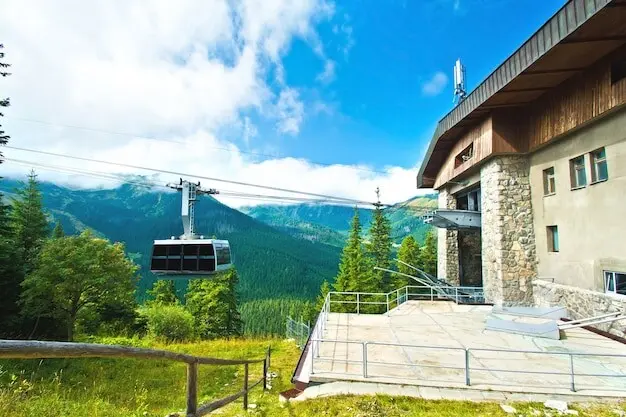
We set a deep, low hearth from local gneiss, bedded on lime and gravel to drain melt. The stone’s thermal mass steadies temperatures, while a simple steel hood tames smoke. Clearances respect safety and sweeping, and a larch mantel remains uncoated to age alongside flames. Family evenings measure success better than kilowatt charts. Write to us about your favorite hearth rituals, what wood species you burn, and how stone color shifts the room’s mood through January snowfall and April thaw.

Facades That Weather With Dignity

A rainscreen of vertical larch boards, open-jointed, with a generous cavity and stainless fasteners, rides out sleet and summer heat. Profiles were chosen to look graceful both golden and silver, easing the transition to patina. Behind, wool insulation stabilizes moisture and quiets passing storms. Window details shed water with disciplined drips and back ventilation. We tracked movement over two winters and smiled at the gentle cupping that never cracked. Share your cladding experiments, finishes you trust, and how you welcome weather rather than fear it.

Textiles That Carry the Meadow

From Bergschaf and Valais fleeces, we spun a slightly thick yarn for blankets and wall panels that soften voices in stone rooms. Plant dyes—alder, walnut, and madder—gave notes of bark, earth, and sunset. Panels hung on larch battens with simple toggles, ready to move. Guests reached out, then spoke more quietly, noticing how rooms listened. Tell us what fibers comfort you most, which patterns recall certain trails, and whether your mornings begin warmer when a blanket remembers the field it came from.

Keeping Materials Alive for Generations

Longevity is designed, not wished for. Stone wants gentle cleaning, firm bedding, and honest joints. Larch relies on smart detailing, not thick coatings; when finish is needed, choose breathable oils and renew on a calm schedule. Wool thrives with regular brushing, sun, and repairs that add character. Plan for disassembly and salvage from day one, reduce adhesives, and honor screws you can actually reach. Measure success in decades, then teach the next hands your maintenance notes. Share your routines, tricks, and seasonal checklists with our community.

Stone Maintenance Without Harsh Chemicals

Sweep before washing, then clean with pH-neutral soaps and soft brushes that keep pores open. Use poultices for stains instead of aggressive acids that scar surfaces or trap salts. In freeze country, avoid de-icers that force brine into microcracks; choose sand for grip and patience for thaw. Repoint with lime mortars compatible in strength and breathability, never harder than the stone. Keep vegetation trimmed back to encourage drying. A quiet maintenance routine protects centuries of service without fanfare or plastic shine.

Timber Care That Respects Weather

Design drips, back-ventilation, and sacrificial layers before reaching for finishes. When finishing, favor penetrating oils with UV inhibitors, applied thinly and renewed before failure, not after. Inspect annually for end-grain exposure, moss colonization, and fastener corrosion; small fixes prevent drama. Brushboards and gentle washing beat pressure blasting every time. Where char is appropriate, rehearse repairs on offcuts and keep edges crisp. Larch rewards steady attention by standing straighter through storms, shrugging off sleet, and silvering into elegance your grandchildren will recognize.
Zavotarisano
Privacy Overview

This website uses cookies so that we can provide you with the best user experience possible. Cookie information is stored in your browser and performs functions such as recognising you when you return to our website and helping our team to understand which sections of the website you find most interesting and useful.