
Crafted Among Peaks: Lives of Alpine Woodworkers, Weavers, and Stonemasons
Paths Carved by Altitude and Time
Tools that Tell Generations of Stories
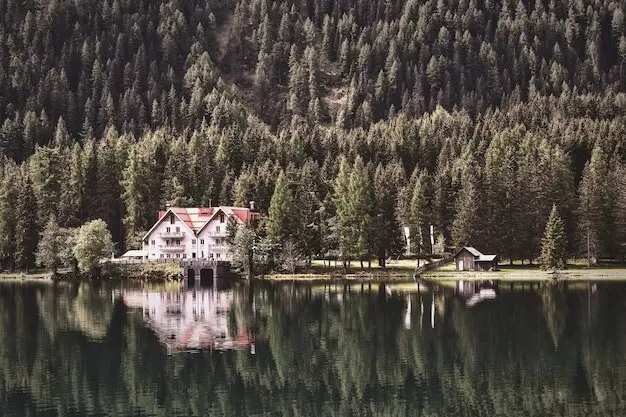
Planes, Gouges, and the Whisper of Shavings
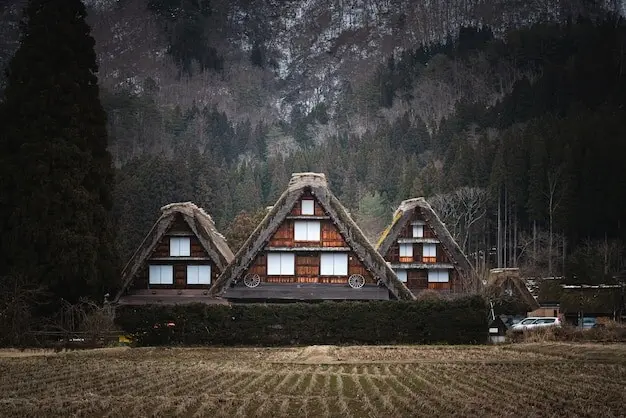
Warp Weights, Shuttles, and the Rhythm of Hands
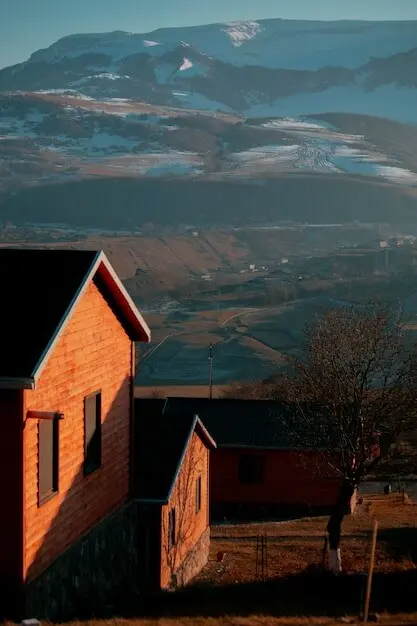
Hammers, Point Irons, and the Patience of Stone
Materials Gathered with Respect for the Mountains
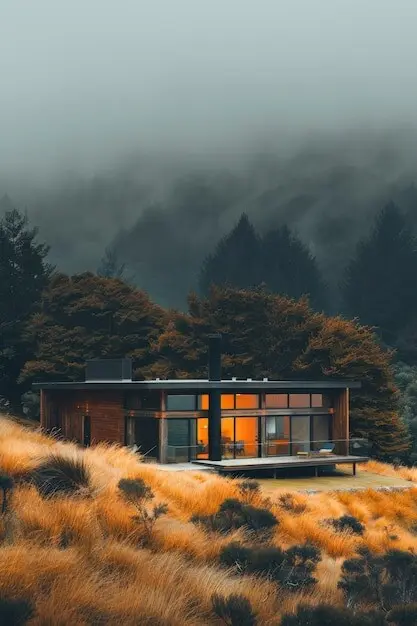
Traditions, Festivals, and Quiet Revolutions
Blessing the Workshop on Midwinter’s Eve
On a night when breath hangs like silver, neighbors arrive carrying candles and laughter. Chalk marks above doorframes share hope in looping letters. The woodworker places his favorite plane on the bench as if it were a guest of honor. Children peek at chisels, mothers pour sweet wine, and somebody tells how great-grandfather repaired a sled that saved a doctor’s life. After songs, the room warms further, and even the knots in the rafters look looser, ready for longer, kinder days.
Patterns That Carry Songs
Each motif in the weaver’s cloth remembers a verse once hummed while shelling beans or climbing haylofts. Diamonds mirror mountain lakes; ladders climb toward distant passes. She documents origins so buyers recognize they wear stories, not decoration. When young designers visit, she teaches them to sample first with humble, undyed yarn, to hear structure before shouting color. Together they let small changes ripple across tradition like wind over barley, preserving cadence while allowing new harmonies to find their rightful place.
Digital Sketches Meet Timeworn Hands
Tablets arrive in rucksacks beside calipers and aprons dusted with chips. The mason rotates a 3D model, then steps outside to compare shadows on the chapel he is restoring. He prints templates, yet keeps the instinct that only fingers know. The woodworker tests augmented layouts for a staircase, avoiding a heating pipe the architect forgot. Technology here becomes a good neighbor—helpful, available, never bossy—because the final decision still belongs to eyes trained on grain and ears trained on echo.
Learning, Apprenticeships, and the Future of the Craft
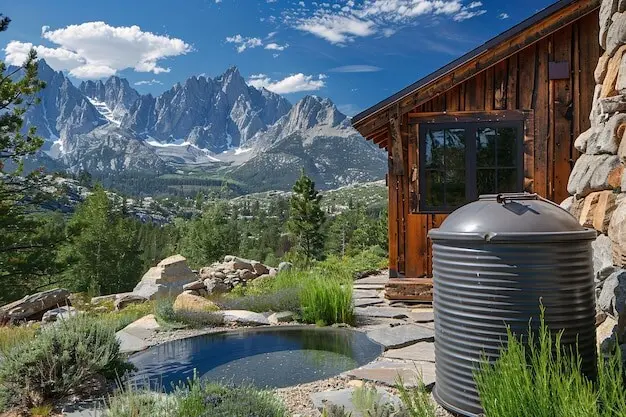
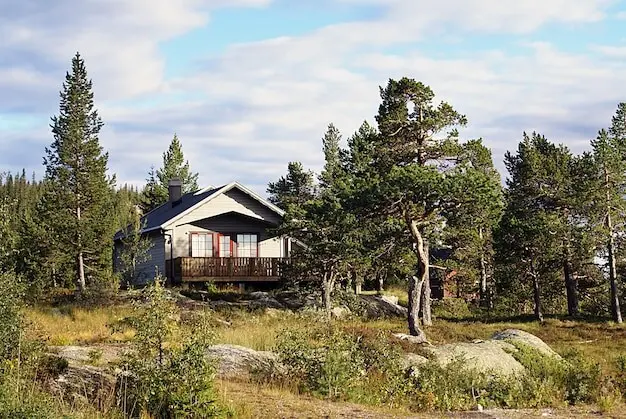
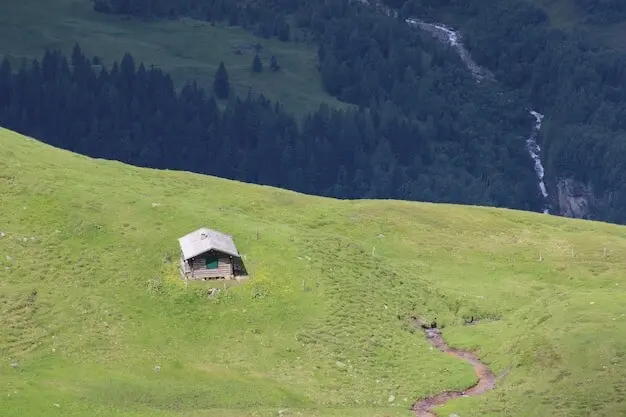
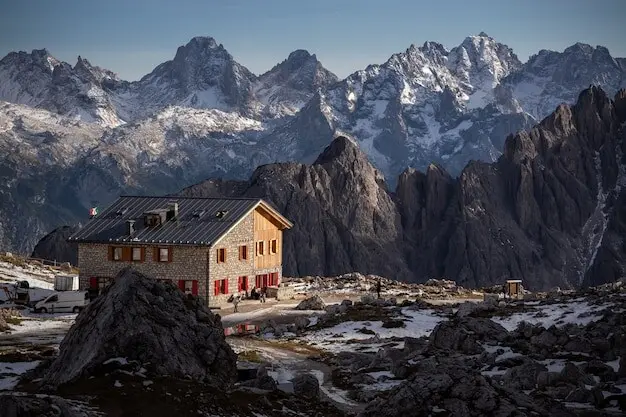
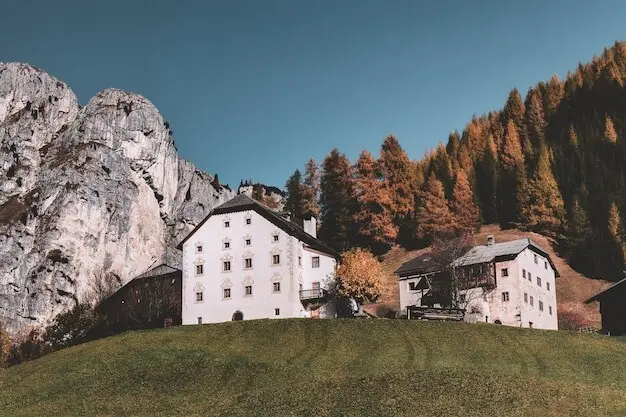
Homes, Chapels, and Everyday Objects Brought to Life
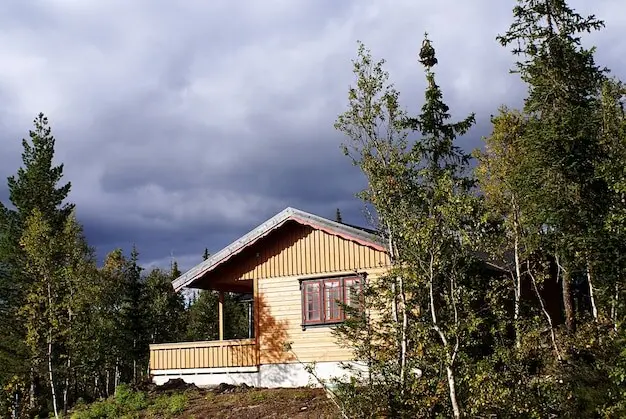
Carving a Balcony That Frames the Sky
Weaving Warmth for Long Winters
Setting Stones That Stand for Centuries
All Rights Reserved.