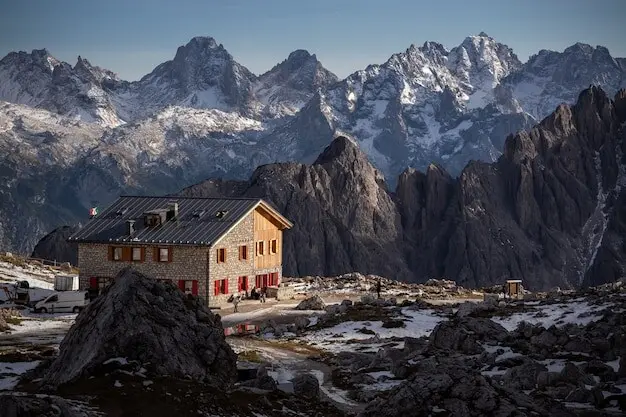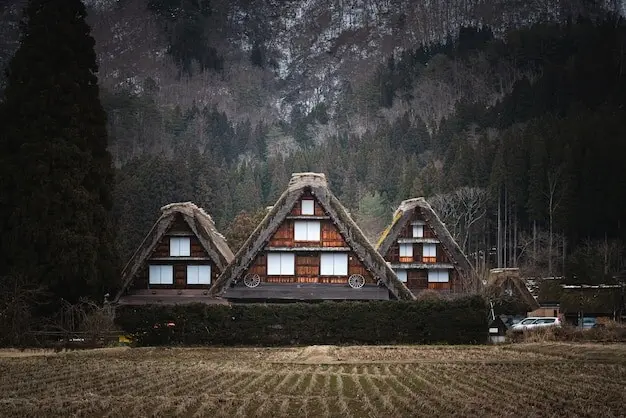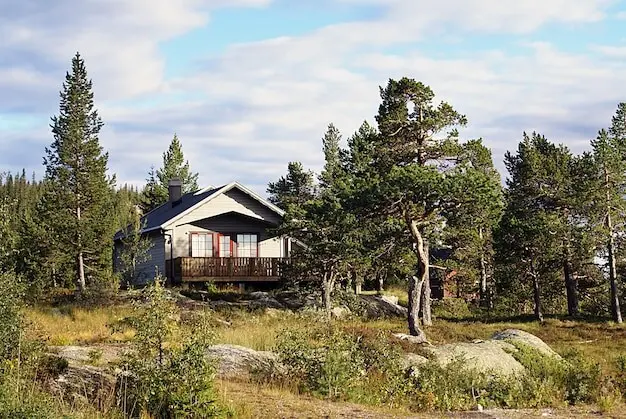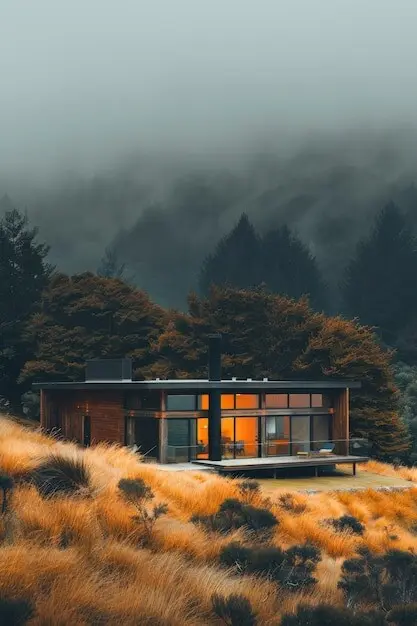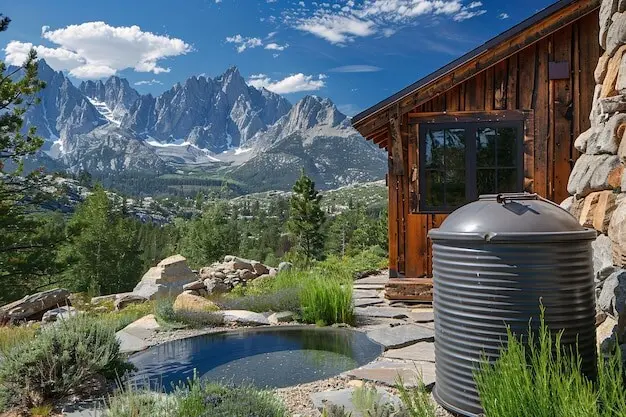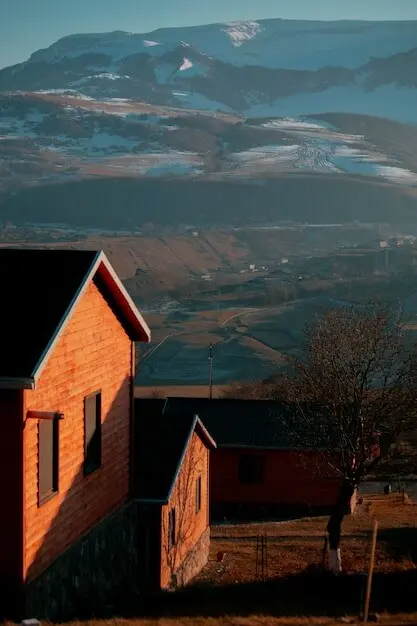
Crafted in Wood, Forged by Mountains

Step into the world of hand-built timber architecture for modern mountain chalets, where seasoned grain meets alpine weather and patient hands translate landscape into shelter. We’ll explore craft, science, and soul, sharing practical guidance, lived stories, and ways you can shape your own high-altitude sanctuary while honoring materials, respecting climate realities, and celebrating the deep human need for warmth, light, and belonging. Subscribe, ask bold questions, and share your ridge-raising stories to help others learn.

Reading the Mountain: Site, Climate, and Orientation

Before a chisel touches wood, the mountain writes the first instructions. Understanding slopes, avalanche paths, winter sun angles, katabatic winds, and tree lines determines comfort, durability, and joy. We’ll unpack strategies that protect timber, capture views, save energy, and keep paths clear during long, glittering seasons of deep snow and unpredictable shoulder weather.

Sun Paths and Winter Warmth

Mapping the low arc of winter sun and the long shadows cast by ridges guides window placement, overhang depth, and where a breakfast nook truly shines. With careful orientation and tempered glazing, timber frames store daytime heat, release it slowly, and still protect interiors from glare, summer gain, and frost-prone corners.

Wind, Snow, and Roof Geometry

Mountain winds scour ridges, heap snow into drifts, and test eaves with rime and ice. Steeper pitches shed loads; broken gables calm eddies; generous outriggers shield joinery. We’ll consider vented cold roofs, ice dam strategies, snow guards above entrances, and structural rhythm that welcomes predictable accumulations without telegraphing stress through creaking night timbers.

Water, Rock, and the First Two Feet

In freezing landscapes, splash-back and capillary rise punish complacency. Stone plinths, tall sills, and continuous capillary breaks lift wood above meltwater, while perimeter drains and thoughtful grading escort storms away. We’ll share field notes on foundation insulation, frost heave, and the quiet delight of dry boots by the door after sudden thaw cycles.

Choosing the Forest: Species, Sourcing, and Stewardship

Every beam begins as a living decision. Species shape strength, workability, and scent; origin shapes footprint and community. We’ll weigh spruce against fir and larch, discuss ring density, resin pockets, and grain, and explore how local mills, salvage yards, and certified forests turn ethical choices into frames that age with generous dignity and resilience.

Spruce, Fir, Larch, and Douglas-Fir

Cold-climate spruce excels in straight, light members; fir carries longer spans; larch shrugs off moisture with toughness and golden heartwood; Douglas-fir balances strength and beauty. Selecting by structural role, not romance, yields fewer surprises. We’ll compare sapwood durability, hand-tool feel, and how scent and color influence mood on gray, interior days.

Drying, Checking, and Movement

Green timbers cut cleanly and raise quickly, yet they shrink, check, and twist as seasons pass. Air-drying, kerfing, and patient layout anticipate change, preserving tight shoulders and calm walls. We’ll examine moisture meters, end-seal wax, tenon allowances, and respectful gaps that close gracefully as fibers settle into the altitude’s slow breathing.

Ethics of Harvest and Local Mills

Working with small mills strengthens mountain towns and shortens supply chains. Salvaging storm-felled trees honors the landscape, while certifications confirm regeneration. We’ll outline questions to ask foresters, ways to reduce waste through smart canting, and how fair pricing, clear specs, and hot coffee keep community relationships steady through snow delays and spring mud.

Joinery that Breathes: Craft Methods with Purpose

Well-cut joints invite wood to move without complaint, keep weather out, and make spaces feel rooted. Rather than hiding everything behind drywall, expressive frames narrate care. We’ll highlight time-tested connections, layout tricks, and stories from raising days when a perfect fit turned skeptical neighbors into wide-eyed allies before the final peg seated.

Building Science in the Cold: Warm, Dry, and Quiet
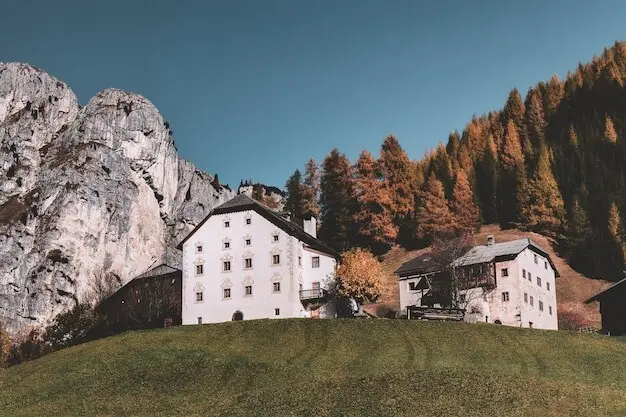
Timber alone is not insulation, and charm cannot stop vapor. Intelligent layers create comfort without smothering wood. We’ll navigate airtightness, diffusion-open assemblies, ventilation, and acoustic calm, drawing from failed wall autopsies, code quirks, and small victories like silent nights during blizzards when rooms stay steady and windows refuse to cry.

Windows that Frame the Horizon

A view is not merely taken; it is composed. Mullion placement, seat height, and jamb depth shape posture, conversation, and pause. We’ll explore condensation control at sills, night privacy without glare, and the magic of bench alcoves where sunrise sketches pink alpenglow across beams still warm from last evening’s fire.

Floors, Stairs, and the Everyday Path

Footfall reveals truth. Pine softens quickly, inviting bare feet; oak resists claws and ski edges. Open risers trade storage for light and air. We’ll detail nosing profiles, squeak cures, and tactile rails that guide midnight trips, ensuring journeys feel safe, grounded, and quietly celebratory even during storm-dark power outages.

Hearths, Stoves, and Gathering

Fire draws people as reliably as mountain weather changes. Masonry heaters store comfort hours after embers fade, while efficient stoves cook soup when lines are down. We’ll address clearances, make-up air, ember protection, and the social geometry of seating that keeps conversations alive without leaving anyone’s back exposed to drafts.
Raising Day: Choreography in the Sky
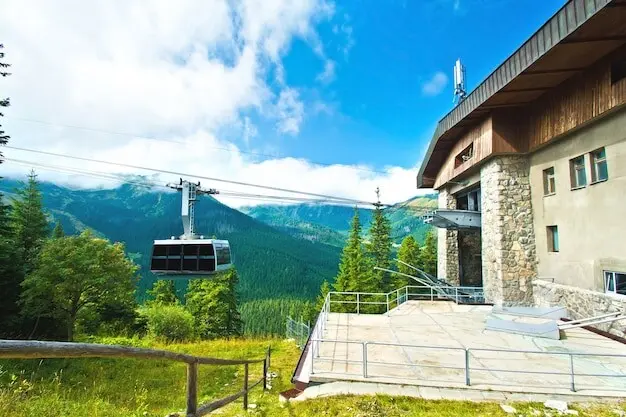
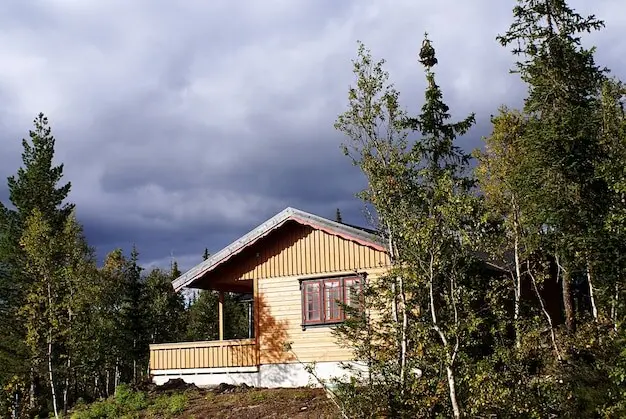
Few moments equal the hush before the first truss lifts. Radios crackle, taglines sing, and suddenly shadows lengthen beneath new geometry. We’ll outline roles, hand signals, safety lines, and celebration traditions, including the evergreen branch on the ridge and a communal meal that cements friendships between crews and future residents.

Tools Old and New

Adzes, slicks, and layout squares sit confidently beside chain mortisers, laser levels, and compact telehandlers. Choosing wisely reduces fatigue and preserves precision. We’ll share packing lists, maintenance rituals, and the tale of a stubborn generator that finally yielded after a neighbor’s thermos of molasses cookies sweetened negotiations during sleet.
Zavotarisano
Privacy Overview

This website uses cookies so that we can provide you with the best user experience possible. Cookie information is stored in your browser and performs functions such as recognising you when you return to our website and helping our team to understand which sections of the website you find most interesting and useful.